
Did you know that someone in the United States has a stroke every 40 seconds? Almost 795,000 Americans suffer a new or recurrent stroke each year, according to the American Heart Association and CDC. Now imagine this: You’re doing something totally ordinary, when suddenly, one side of your face starts to droop, your arm feels weak, or your speech becomes slurred. These may be the terrifying warning signs your body is sending, urging you to take action before it’s too late. How confident are you that you’d recognize a stroke’s early symptoms?
Let’s dive into the signs your body might give you in the hours or days before a stroke – subtle, critical signals that could save your life if caught in time.

The Silent Threat That Strikes Without Warning
Turning 55 often brings unexpected health hurdles. You might experience sudden dizziness, brief numbness in an arm or leg, or struggle to find the right words. But don’t brush it off as stress, a pinched nerve, or just getting older. Stroke is the fifth leading cause of death in the U.S. and can lead to serious long-term disabilities.
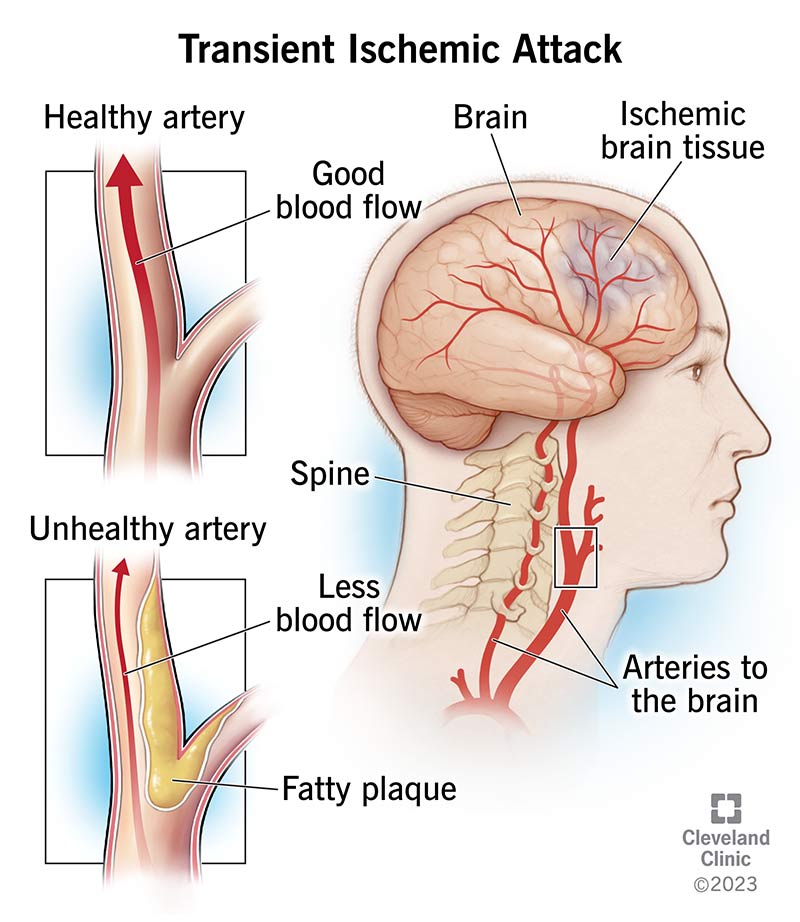
Imagine feeling sudden confusion that passes, but not thinking much of it. This could be a transient ischemic attack (TIA), also known as a mini-stroke. TIAs are often a precursor to a full-blown stroke, and understanding these signs is crucial because every minute counts.
Have you ever experienced something like this, or perhaps noticed it in someone else?
Recognizing these warning signs could be the difference between a full recovery and permanent disability. Stay with us as we uncover the 15 signs your body may give you before a stroke – knowledge that could save your life.
Meet Robert: How Recognizing Early Signs Saved His Life
Robert, a 58-year-old truck driver from Ohio, experienced dizziness and numbness in his left arm one morning while loading his rig. He assumed it was dehydration and continued on his route. Later, his speech slurred for a few seconds and his face felt strange. Fortunately, Robert had read about stroke warning signs before and recognized what was happening. He immediately pulled over and called 911.
Doctors confirmed Robert was having a TIA and found a blockage in his carotid artery. Thanks to his quick action, emergency surgery prevented a full stroke. He now teaches stroke awareness in his community, sharing his life-saving experience.
Rate your own knowledge of stroke warning signs: Are you prepared to act when it matters most?
Sudden Numbness or Weakness on One Side of the Body
This is one of the most common and urgent signs of stroke. If you suddenly feel weakness or numbness on one side of your body — like a drooping face or a heavy arm — it’s time to act immediately.
A study published in Stroke journal in 2023 found that 68% of stroke patients experienced one-sided weakness as an early warning. Don’t ignore this sign. Self-assess: How quickly would you recognize one-sided weakness in yourself?
Sudden Confusion, Trouble Speaking, or Understanding
Imagine Sarah, 61, struggling to find the right words in a conversation. She immediately recognized this as a sign of a stroke and called 911. Doctors confirmed that Sarah was experiencing a stroke and administered clot-busting medication in time. She made a full recovery with minimal damage.
Have you ever struggled with speaking or confusion that went away quickly? This could be an early warning of something more serious.
Sudden Trouble Seeing in One or Both Eyes
Vision changes can also be an early sign of stroke. Blurred vision, double vision, or loss of vision in one eye might seem like a simple eye issue, but it could indicate a stroke, especially if combined with other symptoms. According to the American Heart Association, vision disturbances occur in up to 25% of strokes.
How’s your vision today? Is it clearer now that you know what to look for?
Sudden Dizziness, Loss of Balance, or Coordination
Feeling dizzy or off-balance can indicate a stroke, particularly one affecting the cerebellum. When Thomas, 67, felt the room spinning while gardening, he sat down and called for help. Doctors found a cerebellar stroke but were able to intervene quickly, preventing permanent balance issues.
On a scale from 1-10, how confident are you in your balance and coordination?
Severe Headache with No Known Cause
This is a red flag for a hemorrhagic stroke or aneurysm. A sudden, severe headache could signal something much more serious, especially if it’s the worst headache of your life and doesn’t respond to your usual treatments.
Studies show that sudden severe headaches are present in up to 20% of strokes. If you experience this type of headache, especially when combined with other symptoms, don’t wait. Call 911.
Sudden Trouble Walking or Loss of Coordination
Stumbling or losing your ability to walk straight? These signs could indicate a stroke affecting your motor pathways. Many people overlook these subtle signs, but they shouldn’t be ignored.
Sudden Nausea, Vomiting, or Hiccups (Especially with Other Signs)
Unexplained nausea, vomiting, or persistent hiccups could be signs of a stroke affecting the brainstem or cerebellum. Combined with dizziness or other symptoms, this should be treated as an emergency.
Sudden Fatigue, Confusion, or Behavioral Changes
Have you ever felt unusually tired or mentally foggy with no explanation? This could be a sign that your brain isn’t getting enough oxygen or blood.
Recognizing Stroke Syptoms in Others
Being able to recognize a stroke in others could be life-saving. Patricia, 71, saw her husband show signs of arm weakness and slurred speech. She called 911 immediately. Thanks to her quick action, he received treatment and recovered almost completely.
How confident are you in recognizing stroke symptoms in others?
TIAs: The Warning Before a Full Stroke
Brief symptoms that resolve quickly could be TIAs, which are often the last chance to prevent a major stroke. Up to 20% of people who experience a TIA will have a full stroke within 90 days if untreated.
Risk Factors That Increase Stroke Likelihood

High blood pressure, diabetes, smoking, and atrial fibrillation all increase the risk of stroke. If you have any of these risk factors, it’s even more important to be aware of stroke symptoms and seek treatment immediately.
Taking Immediate Action Saves Brain Function
Did you know that waiting even 15 minutes can make a huge difference in stroke recovery? Call 911 as soon as you recognize the signs. Hospitals activate stroke teams instantly, significantly improving outcomes.
Empowering Yourself and Others
Recognizing stroke signs doesn’t just protect you — it empowers you to protect your loved ones. Early detection means reduced disability, better quality of life, and even saved lives.
FAQ (Frequently Asked Questions)
Q1: What are the most common signs of stroke?
The most common signs include sudden numbness or weakness, confusion, trouble speaking, vision changes, dizziness, and severe headache.
Q2: How can I differentiate a stroke from a migraine?
A stroke often includes additional symptoms like one-sided weakness, confusion, or difficulty speaking. A migraine typically involves head pain without these additional symptoms.
Q3: Is it always necessary to call 911 for stroke symptoms?
Yes. If you or someone else shows signs of a stroke, calling 911 immediately is crucial for preventing long-term damage.
Disclaimer: This article is for informational purposes only and does not replace professional medical advice. Consult your healthcare provider for personalized guidance.


0 Comments:
Post a Comment